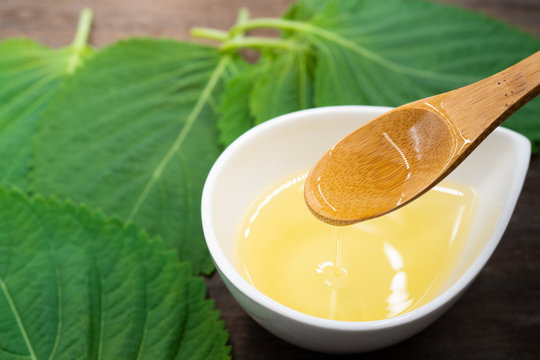



~ Canola oil ~

Canola oil contains a balanced blend of unsaturated fatty acids considered beneficial for health, including oleic acid (an omega-9 fatty acid), linoleic acid (an omega-6 fatty acid), and alpha-linolenic acid (an omega-3 fatty acid).
Oleic acid (an omega-9 fatty acid) helps reduce bad cholesterol (LDL) in the blood while maintaining good cholesterol (HDL). It also has a property that makes it difficult to absorb in the small intestine, allowing it to reach the large intestine where it stimulates bowel movements, potentially improving digestion and promoting detoxification.
Oleic acid is heat-resistant and has properties that make it difficult to oxidize even at high temperatures.
It is suitable for frying and stir-frying when cooking, and you can use it with confidence.
Alpha-linolenic acid (an omega-3 fatty acid) serves as a precursor for EPA and DHA, substances that suppress inflammation, helping to balance linoleic acid, which promotes inflammatory responses. As a result, it may help prevent cardiovascular diseases, improve concentration, and alleviate depressive symptoms.
I want to take a well-balanced intake of essential fatty acids such as linoleic acid and alpha-linolenic acid! That’s why we recommend canola oil and perilla oil.
Canola oil contains the following fatty acid ratios:
Oleic acid (omega-9 fatty acid): 55–65%
Linoleic acid (omega-6 fatty acid): 20–30%
Alpha-linolenic acid (omega-3 fatty acid): 8–10%
Canola oil is a vegetable oil with an exceptionally well-balanced fatty acid profile compared to other vegetable oils.
The saturated fat content, which is said to increase cardiovascular risk with high intake, is also low at about 7%. Not only for salad dressings, but also for fried and stir-fried dishes due to its heat resistance, it can be widely used in cooking.
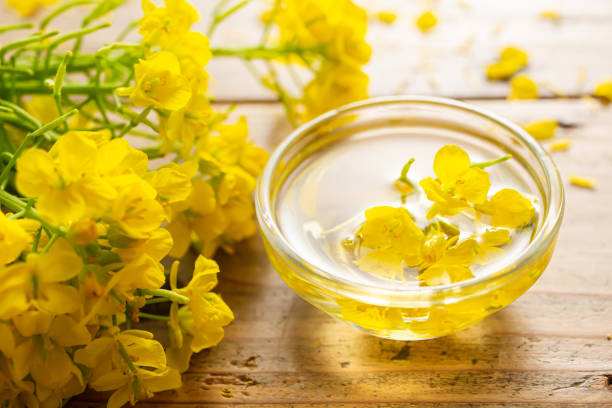
~ Perilla oil ~

Perilla oil contains 50–60% alpha-linolenic acid, and one teaspoon is considered to contain the same amount of alpha-linolenic acid as three horse mackerel.
Alpha-linolenic acid is expected to enhance memory and concentration, provide anti-inflammatory effects, alleviate allergy symptoms, and improve blood flow. It is recommended not only for the elderly and growing children, but also for those working hard in their careers. We encourage you to incorporate about one teaspoon (approximately 2g) daily into your regular diet.
Perilla oil is sensitive to heat and is not suitable for cooking methods that involve heating.
Therefore, we recommend using it without heating—such as in salad dressings, drizzled over natto or smoothies, or added as a finishing touch to dishes.